Tanya La Paglia
Exhibition Dates:
Wednesday 29 July – Thursday 6 August, 2026
Open 10:00am – 5:00pm daily
Public Opening Event:
Friday 31 July, 2026
5:00pm – 7:00pm
CONTENT WARNING: This exhibition engages in themes surrounding mental illness, trauma, and altered perceptions of reality. Viewer discretion is advised.
–––––
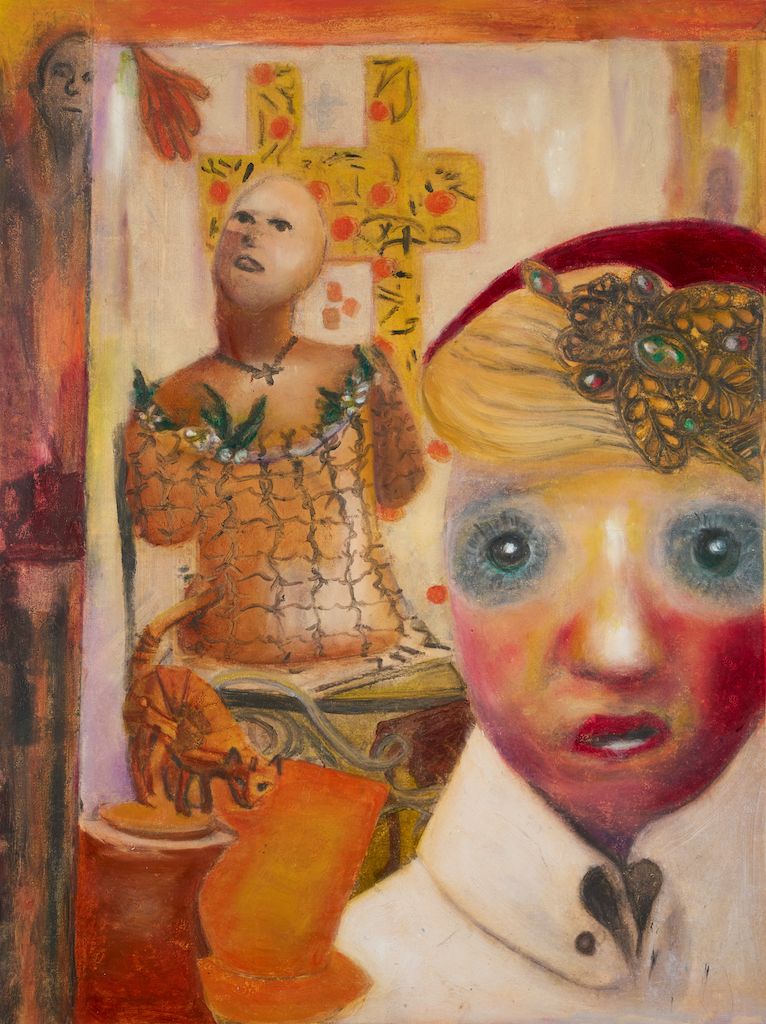
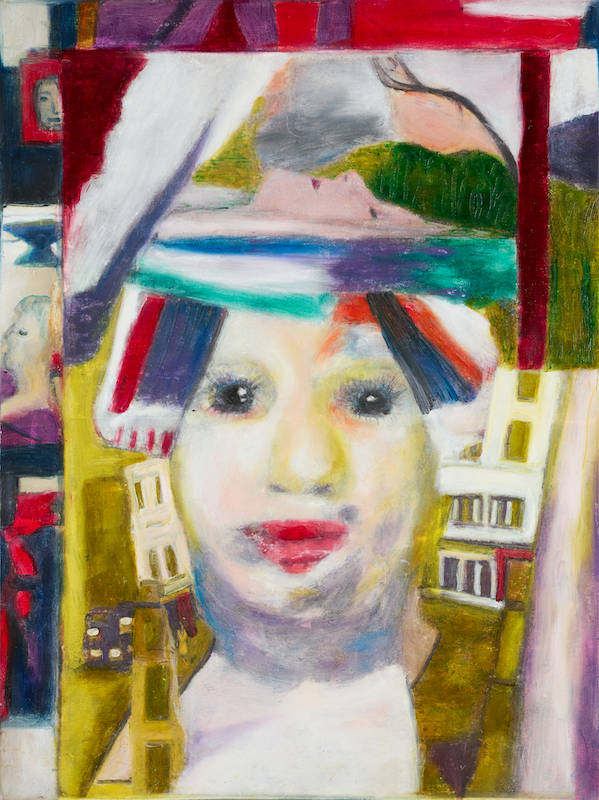
Each painting functions as a visual narrative that has evolved from La Paglia’s extensive knowledge of the struggles faced by those living with distorted realities. The images translate fragments of experience into emotionally charged representations that aim to communicate states of mind often impossible to verbally describe.
Tanya La Paglia is a multidisciplinary artist whose practice encompasses contemporary drawing, painting, printmaking, collage, and sculpture. Her unique artistic perspective is deeply informed by her extensive professional background as both a nurse in the mental health space and as an art therapist. Holding a Bachelor of Fine Arts from the University of Tasmania and a Graduate Diploma from the Melbourne Institute of Creative and Expressive Art Therapies, La Paglia employs a style of figurative expressionism to explore the complex landscape of altered perceptions experienced during episodes of mental illness. Her work is specifically designed to invite curiosity, questioning, and meaningful discussion about the ways reality may be interpreted by individual people.
The Artistic Narrative
This body of work, titled Altered Perceptions, consists of oil over acrylic paintings on wooden panels. Rather than being portraits of specific individuals, each painting functions as a “window” or a visual narrative developed from multiple experiences over a long period of time. These stories have evolved from La Paglia’s professional empathy, and her knowledge of the struggles faced by those living with distorted realities. The resulting images are highly varied—often disjointed, jarring, or confronting—but also thoughtful and occasionally humorous. They translate fragments of lived experience into emotionally charged graphic representations that aim to communicate states of mind often impossible to verbally describe.
The exhibition addresses a wide array of themes, including schizophrenia, psychosis, depression, suicidality, and anxiety. La Paglia’s imagery often captures the visceral terror of hallucinations and delusions, depicting figures hearing voices or seeing faces, creatures, and insects. These visual representations reflect how altered perceptions can lead to the misidentification of others and the formation of delusional ideation. Because the works are intentionally direct and intense, they may be confronting for some viewers, but their primary purpose is to encourage reflection and understanding instead of judgement or condemnation.
Defining Altered Perceptions
At its core, an altered perception occurs when a person’s experience of themselves, other people, or the world differs significantly from shared reality or their usual mental state. These shifts can be temporary or long-term and are influenced by a multifaceted array of factors, including physical health, mental health, relationships, culture, and environment.
The causes are diverse:
• Physical Factors: Brain injuries or physical illnesses can change how information is processed.
• Mental Health: Conditions such as bipolar disorder, PTSD, and personality disorders can drastically alter the interpretation of events. During manic episodes, a person may feel grandiose or engage in high-risk behaviour, while schizophrenia may lead to paranoia and unrealistic beliefs.
• Substance Use: Alcohol and illicit drugs can induce emotional instability, confusion, and impaired judgement.
• Life Experiences: Trauma, family violence, grief, and chronic stress often contribute to distorted thinking patterns.
• Socio-Cultural Factors: Perception is also shaped by traditions, upbringing, and social expectations. Personal identity—including gender and ageism—influences how one interprets the environment. For instance, distorted body image can significantly impact self-esteem and confidence.
Presentation and Impact
Manifestations of altered perceptions vary widely. Individuals may appear fearful, suspicious, or emotionally distressed, often withdrawing into isolation because they struggle to trust their own thoughts and feelings. Cognitive difficulties with concentration and communication can make daily tasks or maintaining conversations challenging. In some cases, self-care may decline significantly, leading to the neglect of personal hygiene, nutrition, and financial responsibilities.
These challenges can have a profound impact on a person’s quality of life, affecting their ability to maintain employment, housing, and social connections. Relationships with family and friends often suffer due to misunderstandings or conflict. However, conditions that alter perceptions are not solely associated with negative outcomes. Divergent ways of thinking can also foster creativity, innovation, and unique problem-solving abilities. Many successful artists, writers, and entrepreneurs have used their unique perceptions as a source of inspiration and achievement.
Conclusion
Ultimately, Tanya La Paglia’s work creates a space for dialogue about mental health, perception, and identity. By presenting these very personal perspectives, the exhibition raises awareness and encourages viewers to engage with experiences that are frequently misunderstood or hidden from public view. The works illustrate that while the journey can be challenging, with understanding, treatment, and supportive relationships, individuals who experience altered perceptions can manage their challenges and lead meaningful, productive, and fulfilling lives.
Accessibility
Wheelchair access via Lift in the Courtyard
Accessible Toilet (on Level 1 and in the Courtyard
Registered Assistance Animals welcome